
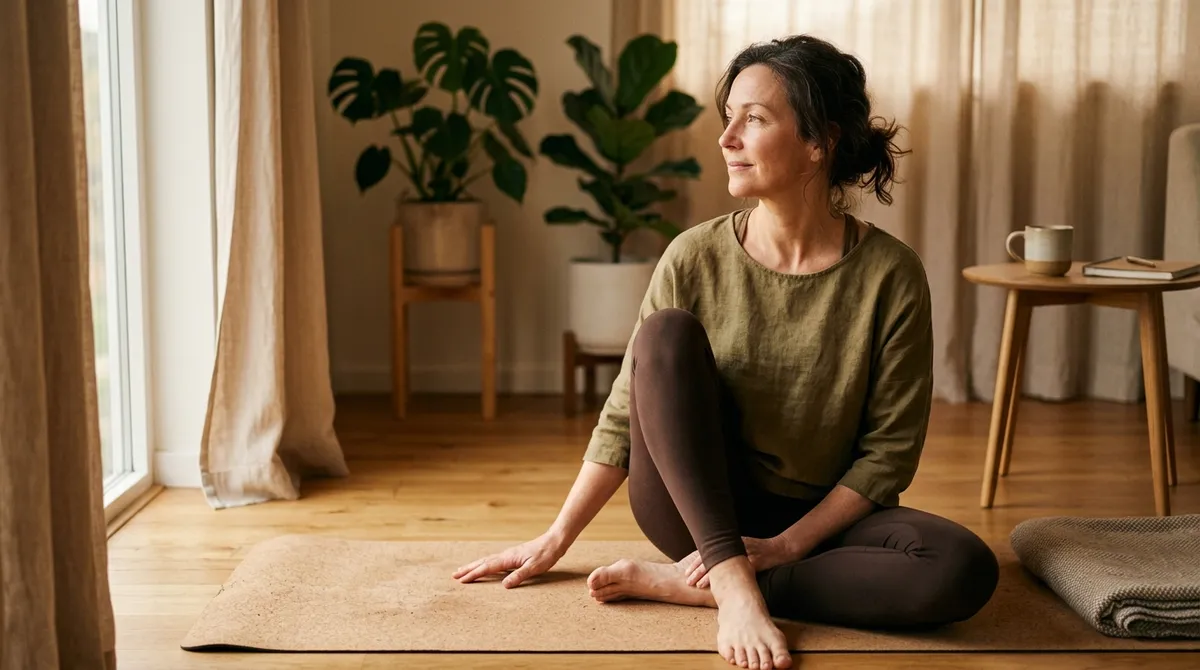
A Natural Response to Midlife Changes
As people enter their fifties and beyond, the body sends clear signals that change is underway. According to reports, reduced flexibility, balance issues, declining energy levels, and increased stress become common companions of aging. Yet health experts are pointing to an ancient practice that may offer modern solutions.
Yoga is increasingly being recognized as an accessible, non-pharmaceutical approach to addressing the physical and mental health concerns that often spike during midlife. The practice targets multiple age-related challenges simultaneously, offering what experts describe as a holistic pathway to sustained wellness.
Beyond Physical Flexibility
While many associate yoga primarily with improved flexibility, recent findings suggest the benefits extend far deeper for mature practitioners. According to reports, specific yoga poses and practices can address the invisible changes that accompany aging—slower recovery times, mental fog, and emotional imbalance.
The appeal lies in yoga's comprehensive approach. Rather than treating individual symptoms separately, the practice addresses the interconnected nature of physical and mental well-being that becomes increasingly important as we age.
A Growing Movement
The wellness content focusing on anti-aging solutions resonates particularly strongly with audiences over 40, according to industry observations. This demographic is actively seeking alternatives to traditional medical interventions, drawn to practices that promise not just symptom management but overall vitality.
Experts note that yoga's accessibility makes it especially attractive to this population. Unlike high-impact fitness routines that may strain aging joints, yoga can be modified to accommodate stiff or injured bodies while still delivering measurable benefits.
The Science of Sustained Energy
According to reports, the physiological effects of targeted yoga practices extend beyond the mat. Practitioners often experience improved sleep quality, increased energy levels, and enhanced mental clarity—benefits that compound over time to create a foundation for healthy aging.
The mental health component proves equally significant. Reports indicate that regular yoga practice can reduce anxiety and improve mood, addressing the emotional challenges that often accompany physical changes in midlife.
A Path Forward
As turning 50 brings visible and invisible changes to the body, experts emphasize that aging doesn't have to mean slowing down. Yoga offers what many describe as a natural bridge between accepting physical changes and maintaining an active, engaged life.
For those hesitant to begin, practitioners suggest that the key lies in consistency rather than perfection. Even modest, regular practice can yield the strength, mobility, and emotional well-being that supports graceful aging—proving that sometimes the most powerful medicine comes not from a bottle, but from within.