
TL;DR: Sharing stories of miracles can open doors to meaningful faith conversations between Catholics and Protestants, enriching relationships without conflict.
The Power of Miracles in Faith Conversations
What if a simple story could bridge the gap between faiths? In today’s landscape of religious dialogues, miracles hold a unique significance, offering a way to engage our friends on matters of doctrine without turning a conversation into a debate. When we think of miracles, we often picture profound scenes of divine intervention–sudden healings, inexplicable wonders–but there’s so much more beneath the surface.
Miracles can serve as conversation starters, shining light on Catholicism’s rich tapestry while inviting our Protestant friends to consider new perspectives. Here, we’ll explore some of the most compelling miracles within the Catholic faith, how they can be shared respectfully, and why these discussions matter now more than ever.
The Miracles You May Not Know
1. The Miracle of Lanciano
One of the strangest yet most captivating miracles remains the Eucharistic Miracle of Lanciano. Originally believed to be a simple celebration of the Mass in the 8th century, this event transformed a priest’s doubt into awe. During consecration, the bread and wine visibly turned into flesh and blood, leading to a faith-affirming experience that many have traveled to witness. By sharing this story, we can highlight the significance of the Eucharist in the Catholic belief system.
2. The Apparition at Fatima
In 1917, the Blessed Virgin Mary appeared to three children in Fatima, Portugal, sharing messages of prayer, repentance, and peace with the world. This not only solidified the importance of devotion to Mary within Catholicism but also showcased community responses to divine messages. Sharing the story of Fatima can illuminate how miracles can inspire profound collective action, a theme that can resonate with many Protestants hoping for unity and peace.
Miracles as a Root of Apologetics
Miracles serve as essential tools in Catholic apologetics, helping to clarify doctrinal beliefs through tangible examples. They evoke emotions—joy, hope, and reverence—that precede rational discussion. When engaging Protestant friends, these stories can help soften hearts and convey the transformative power of faith without dismissing differing beliefs. They serve as testimonies that demonstrate the living presence of God in the world.
Respectful Conversations: Bridging Differences
Start with Humility
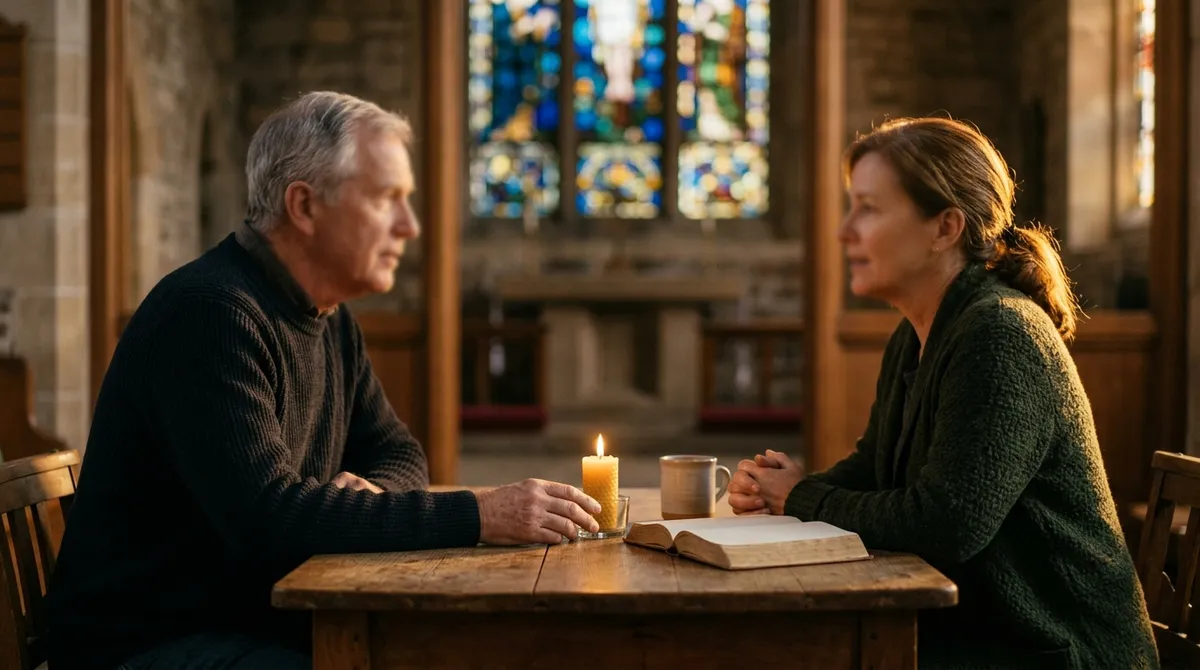
When discussing faith differences, it's crucial to approach the conversation with an open heart. Begin by expressing genuine curiosity about your friend's beliefs. You might say, "I've been reflecting on some incredible miracles in our faith, and I’d love to hear your thoughts on these!" This shows that you're valuing their perspective just as much as your own.
Focus on Shared Values
As you discuss miracles, emphasize the underlying values that resonate in both Catholicism and Protestantism: faith, community, and a desire for understanding. Rather than framing the conversation as an argument, aim for a shared exploration. Invite your friend into a dialogue about faith, where miracles can serve as common ground rather than a point of division.
Testimonial Reflections: Changing Hearts
Consider sharing your own personal experiences or stories of individuals whose lives were transformed by miracles. These testimonials add significant weight to the conversation, turning abstract theology into relatable narratives. It might evoke memories of a friend, relative, or even yourself who was touched by faith or miraculous healing.
Ending with Openness
At the conclusion of your conversation, leave the door open for further discussion. Asking questions like, "What do you think?" or "How can we pray together about this?" invites ongoing dialogue and reinforces that faith exploration is a journey—one best traveled together.
Why This Matters Now
In our fast-paced world filled with division, moments of kindness and understanding are more crucial than ever. Sharing miracles can spark wonder and curiosity while deepening relationships that transcend differences. With the online realm buzzing with debates and religious apologetics, it becomes easy to forget the human side of faith discussions. Let’s soften our approach to create spaces for genuine connections.
A Human Truth
Ultimately, the stories of miracles remind us of something beautiful: faith, in all its forms, can lead to moments of serendipity and awe. Miracles invite us to remember a greater narrative in life, bolstering our relationships with empathy and compassion. Let’s encourage conversations that open hearts and minds—because that’s where true understanding begins.