
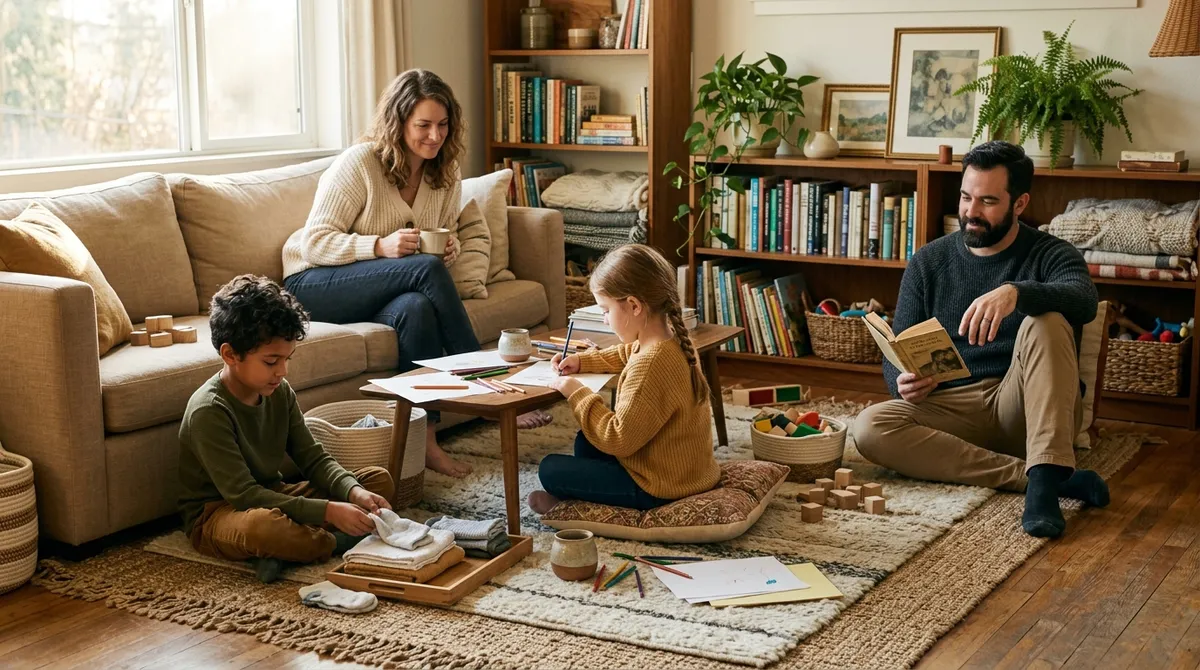
A Cultural Shift Away from Perfect Parenting
After years of treating parenting like a competitive sport, families are embracing a different path in 2026. According to recent observations, parents are moving away from the pressure to be perfect and instead prioritizing balance, boundaries, and real-world resilience.
For too long, modern parents felt expected to raise emotionally intelligent children while limiting screen time, encouraging creativity, providing enrichment activities, monitoring mental health, and preparing kids for an AI-driven future — all while remaining calm and fulfilled. This exhausting standard is finally giving way to something more sustainable.
Eight Trends Reshaping Family Life
Reports indicate that several key shifts are taking hold across families. Parents are moving beyond "gentle parenting" approaches, seeking methods that combine empathy with structure. Screen-free childhoods are making a comeback as families react to digital overload.
Independence is becoming a priority again, with parents stepping back to allow children more autonomy. Emotional intelligence is gaining importance over academic marks, while slow parenting replaces hyper-scheduled childhoods filled with endless activities.
Perhaps most significantly, parents are prioritizing their own mental health as a family necessity rather than a luxury. Boundaries are returning to family dynamics, and the era of the "perfect parent" appears to be ending.
Why This Matters Now
This cultural shift comes as a response to years of social media pressure, burnout, and hyper-competitive childhoods that left families exhausted. According to reports, parents in 2026 are seeking more honest, sustainable approaches to family life that prepare children for uncertainty without overwhelming parents.
The movement represents a recognition that children benefit from boredom, chores, and even failure — experiences that build resilience rather than perfection. Parents are discovering that being steady, present, and realistic matters more than following every parenting trend.
Finding Balance in Modern Families
This shift toward "balanced parenting" offers reassurance to families struggling with competing demands. Rather than eliminating technology entirely, parents are focusing on raising screen-smart children. Instead of filling every moment with activities, they're allowing space for unstructured time.
The emphasis on parent mental health acknowledges a simple truth: families thrive when parents are emotionally healthy and sustainable in their approach. This isn't about lowering standards — it's about setting realistic ones that serve both children and parents.
As families navigate this transition, the message is clear: perfection was never the goal. Raising resilient, emotionally healthy children while maintaining family well-being requires balance, not perfection.