The Science Behind a Child's Giggle
In a world where childhood stress and anxiety seem to be rising, new research offers a surprisingly simple prescription: laughter. Dr. Jacqueline Harding's work reveals that the moments we spend making our children laugh aren't just fun—they're actually building stronger, more resilient brains.
According to reports, laughter and playful connection support critical areas of child development, from emotional regulation to memory formation. When we help a child laugh, we're doing far more than creating a happy moment. We're helping their nervous system learn to manage stress and stay open to new experiences.
More Than Just Fun and Games
The research challenges a common misconception that humor and play are frivolous additions to a child's day. Instead, these moments of joy serve as powerful tools for brain development. Laughter helps regulate stress responses, creating the calm mental state that children need for effective learning and memory formation.
These findings come at a crucial time, as parents and educators grapple with concerns about childhood burnout and learning readiness. Rather than adding more structured activities to already packed schedules, the answer might lie in embracing the simple power of shared laughter.
Building Bonds That Last
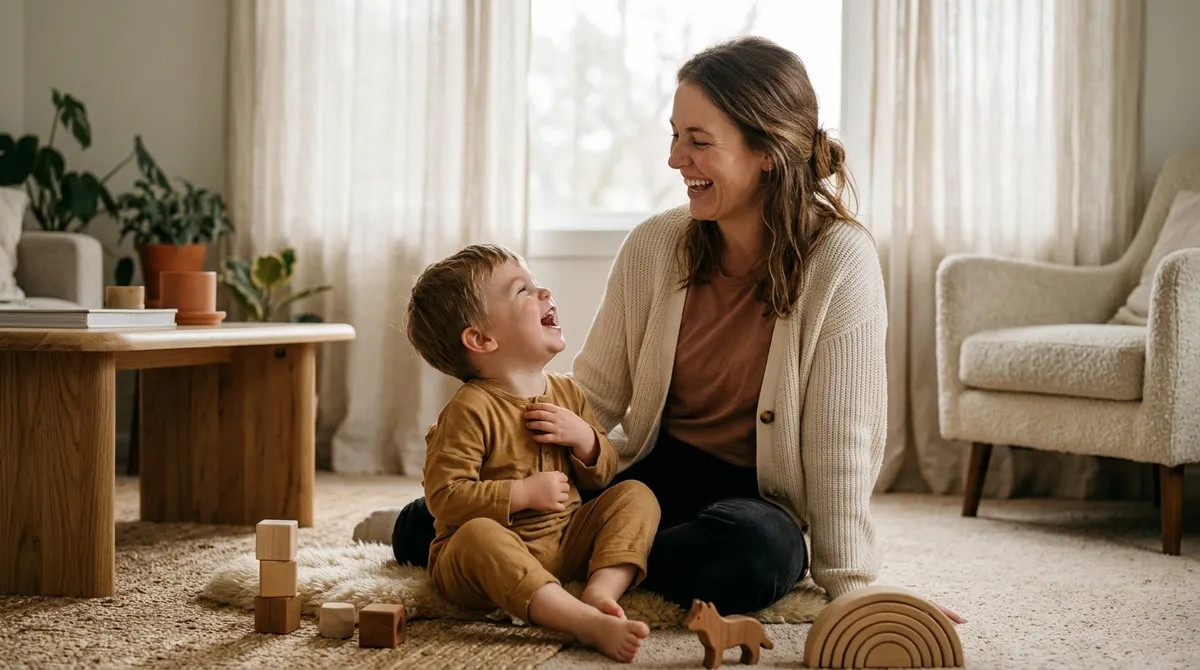
Perhaps most importantly, humor creates deep emotional connections between children and their caregivers. These moments of co-regulation—when adult and child share joy together—teach children that they're safe, valued, and understood. This emotional foundation becomes the bedrock of resilience they'll carry throughout their lives.
The implications extend beyond the family dinner table. According to the research, classrooms that prioritize safe relationships and low-stress environments alongside curriculum goals may see better learning outcomes. When children feel emotionally secure, they become more open to new ideas and creative thinking.
Small Moments, Big Impact
What makes this research particularly meaningful is its focus on everyday opportunities. Parents don't need expensive programs or complicated techniques. The silly voice while reading bedtime stories, the unexpected tickle during homework time, or the shared giggle over a child's joke—these small moments accumulate into profound developmental benefits.
As we navigate the challenges of raising children in an increasingly complex world, Dr. Harding's research reminds us that sometimes the most powerful tools are also the most natural: our capacity to connect, to play, and to help the children we love discover that the world can be a place of wonder and joy.