A Cultural Shift in Family Life
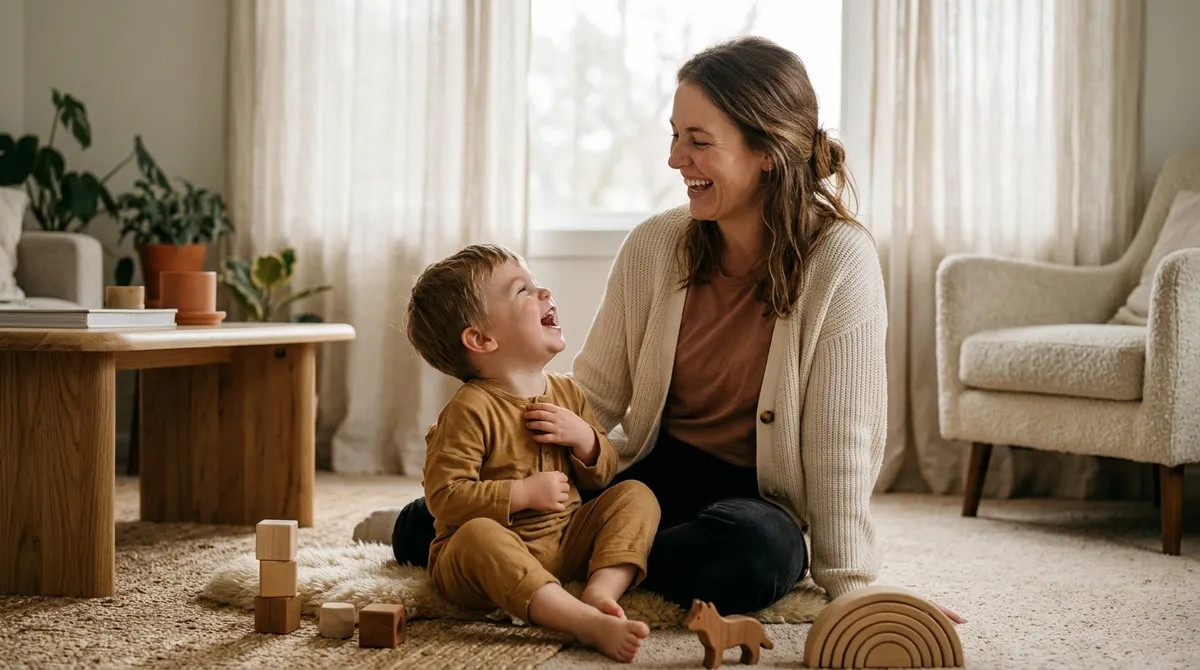
After years of treating parenting like a competitive sport, families are stepping back from the pressure to be perfect. According to reports, parents in 2026 are embracing a cultural shift toward more honest, sustainable family life that prepares children for uncertainty without exhausting parents.
For years, modern parenting felt overwhelming. Parents were expected to raise emotionally intelligent children, limit screen time, encourage creativity, provide enrichment activities, monitor mental health, prepare kids for an AI-driven future, and somehow remain calm and fulfilled while doing it all.
Beyond Gentle Parenting
The pendulum is swinging toward what experts call "balanced parenting" — a move beyond the gentle parenting movement that dominated recent years. Parents are discovering they can maintain empathy and structure without sacrificing boundaries or their own well-being.
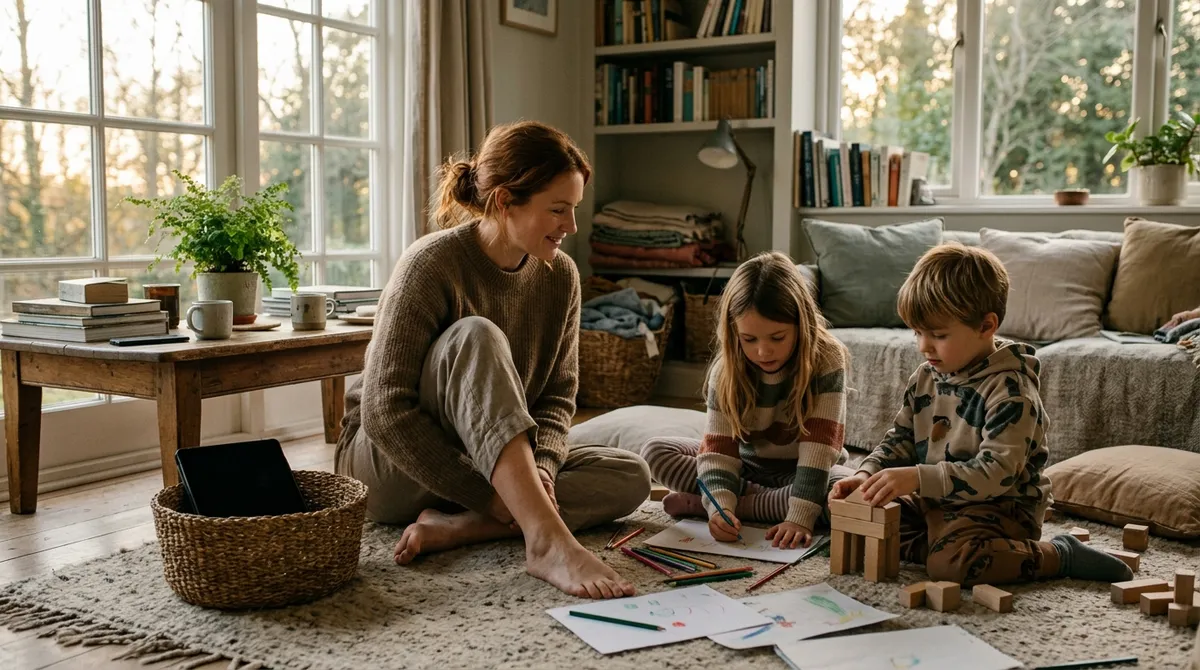
This shift includes a return to screen-free childhoods, with families making deliberate choices about technology without going fully anti-tech. Instead of digital elimination, parents are focusing on raising screen-smart kids who understand both the benefits and limitations of technology.
Embracing Imperfection as Strength
The era of the "perfect parent" is ending, according to reports. Parents are learning that boredom, chores, and even failure can be good for children's development. Slow parenting is replacing hyper-scheduled childhoods, giving families permission to embrace quieter rhythms.
Emotional intelligence is becoming more important than academic marks, with parents prioritizing their children's ability to navigate relationships and manage feelings over test scores alone.
Parents as People Too
Perhaps most significantly, parents are prioritizing their own mental health as a family priority. This represents a departure from the self-sacrificing parental ideal, acknowledging that steady, present, and realistic parents serve their families better than exhausted perfectionists.
Independence and Real-World Skills
Families are also raising more independent children, teaching real-world resilience instead of shielding kids from every difficulty. Boundaries are making a comeback, as parents recognize that structure provides security rather than restriction.
A Response to Digital Overwhelm
These changes come as a reaction to years of social media pressure, digital overload, and burnout from hyper-competitive childhoods. The strongest message emerging from this cultural shift is one of reassurance: parents don't need to be perfect to raise healthy, capable children.
This movement toward balanced family life suggests that the most sustainable parenting approach may be the one that honors both children's needs and parents' humanity — creating space for growth, mistakes, and authentic connection in an uncertain world.