
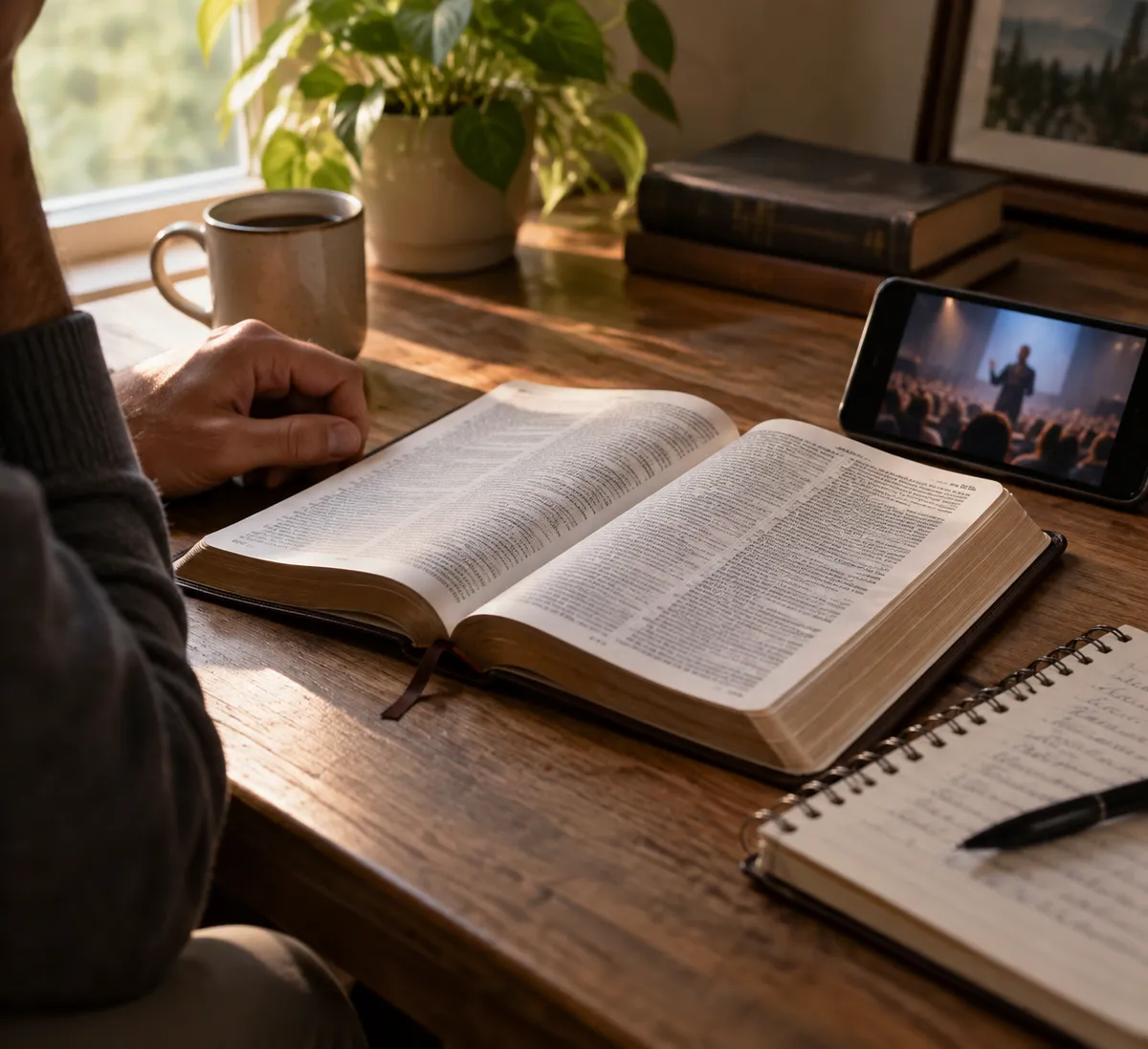
A short video titled "Miracles: Revived From Death by Faith Leaders," posted on YouTube with the tags #faith, #biblestudy and #theology, is drawing attention to an old and tender question. What do we do with stories of people being raised from death through the prayers of believers? The video's own description gives little detail, so this isn't a retelling of its claims. It's a way of thinking about stories like these, so that you can hold them with an open heart and a steady mind.
By the end, you'll have three simple practices for hearing a miracle story: start with Scripture, listen with love, and test with patience.
Why These Stories Stir Us
Picture a quiet room. Someone you love has stopped breathing. Everyone has run out of words, and then someone begins to pray.
That scene is why resurrection accounts reach us. They don't speak to our curiosity first. They speak to our grief, and to the hope that death does not get the last word.
Per reports on the topic, miracle claims continue to spark conversation across religious communities and social media, and short faith videos are a growing way people encounter them. That makes sense. People are hungry for wonder. They are also, rightly, hungry for truth.
You don't have to choose between the two.
Start With Scripture
The Bible gives resurrection a central place. The Gospels tell of Jesus raising Jairus's daughter, the widow's son at Nain, and Lazarus. The book of Acts tells of Peter and Paul praying for people who had died. Elijah and Elisha are remembered for similar acts in the Old Testament.
Look at what these accounts have in common:
- The power belongs to God. Peter did not take a bow. The focus stays on the One who gives life.
- Compassion is close by. Jesus wept at Lazarus's tomb before he called him out.
- The miracle points beyond itself. These signs invite trust in God, not admiration of a person.
When you hear a modern story, hold it up to that pattern. Does it lead people toward humility, mercy and God? Or toward a famous name?
Listen With Love
Someone telling you they witnessed a person revived is usually telling you the most sacred moment of their life. Even if you have questions, you can receive that with kindness.
A good first response is simple: "Thank you for telling me. What did that mean for you?"
You may find that the testimony is less about a headline and more about a family held together, a faith deepened, a fear lifted. Those fruits are worth noticing, whatever else you conclude.
Test With Patience
Scripture itself encourages care. The apostle John writes, "test the spirits," and Paul urges believers to "test everything; hold fast what is good." Wise discernment is part of faith, not a threat to it.
Here are practical questions you can ask of any modern miracle claim:
- Who can confirm it? Medical records, multiple witnesses, and people who were present carry more weight than a retelling of a retelling.
- What is actually being claimed? "Someone was prayed for and recovered" is different from "someone was dead and returned." Clear words keep us honest.
- Is anyone being asked to pay or follow? Healthy testimony invites gratitude. Be cautious when a story is tied to pressure for money or loyalty.
- Does the person stay accountable? Faith leaders carry real spiritual influence. Churches and communities do well when that influence sits inside humble, open accountability.
- Does it agree with the heart of the gospel? A true work of God will not contradict who God has shown himself to be in Christ.
None of these questions requires cynicism. They are the kind of care you would give anything precious.
Room for Mystery
Some believers will read a particular account and say, "God did this." Others will say, "I'm not sure, but I'm grateful for what it stirred in me." Both can pray together. Faith has always had space for people at different points of certainty.
What you can say with confidence is what Scripture declares: God has power over death, and he proved it in the resurrection of Jesus. Every other story, whether it's inspiring, uncertain or unverified, lives in the light of that one.
A Simple Practice for This Week
Next time a miracle story crosses your screen, try this before you share it:
- Pause and pray briefly for the people in the story.
- Read one resurrection passage, such as John 11, slowly.
- Ask the five questions above.
- Share it only if it honors God and the people involved.
That small habit protects your heart from both gullibility and hardness.
What the Stories Really Teach
Behind every account of a life restored is the same quiet truth: we are not meant to face death alone. Whether a story is proven, doubted or simply treasured, it reminds us that love is stronger than the grave, and that the people sitting beside the bed, praying with shaking voices, are doing something holy just by staying.