Picture a kitchen on a Tuesday evening in late October. A bag of leftover Halloween candy sits on the counter, backpacks are dumped by the door, and somebody is asking what's for dinner. Most parents know this scene. Most of us also quietly wonder whether we're doing enough.
This month offers some gentle encouragement. October is National Children's Health Month, and it coincides with National Parenting Week. Per a report from Blackbeltnewsnetwork out of Auburn University in Alabama, Torie Ennis shared six practical tips for building healthier routines at home. Her main message is that small, everyday habits can make a big difference in a child's well-being.
None of it requires a perfect pantry or a perfect parent. Here is what she suggests, along with a few thoughts of my own.
1. Build a Colorful Plate
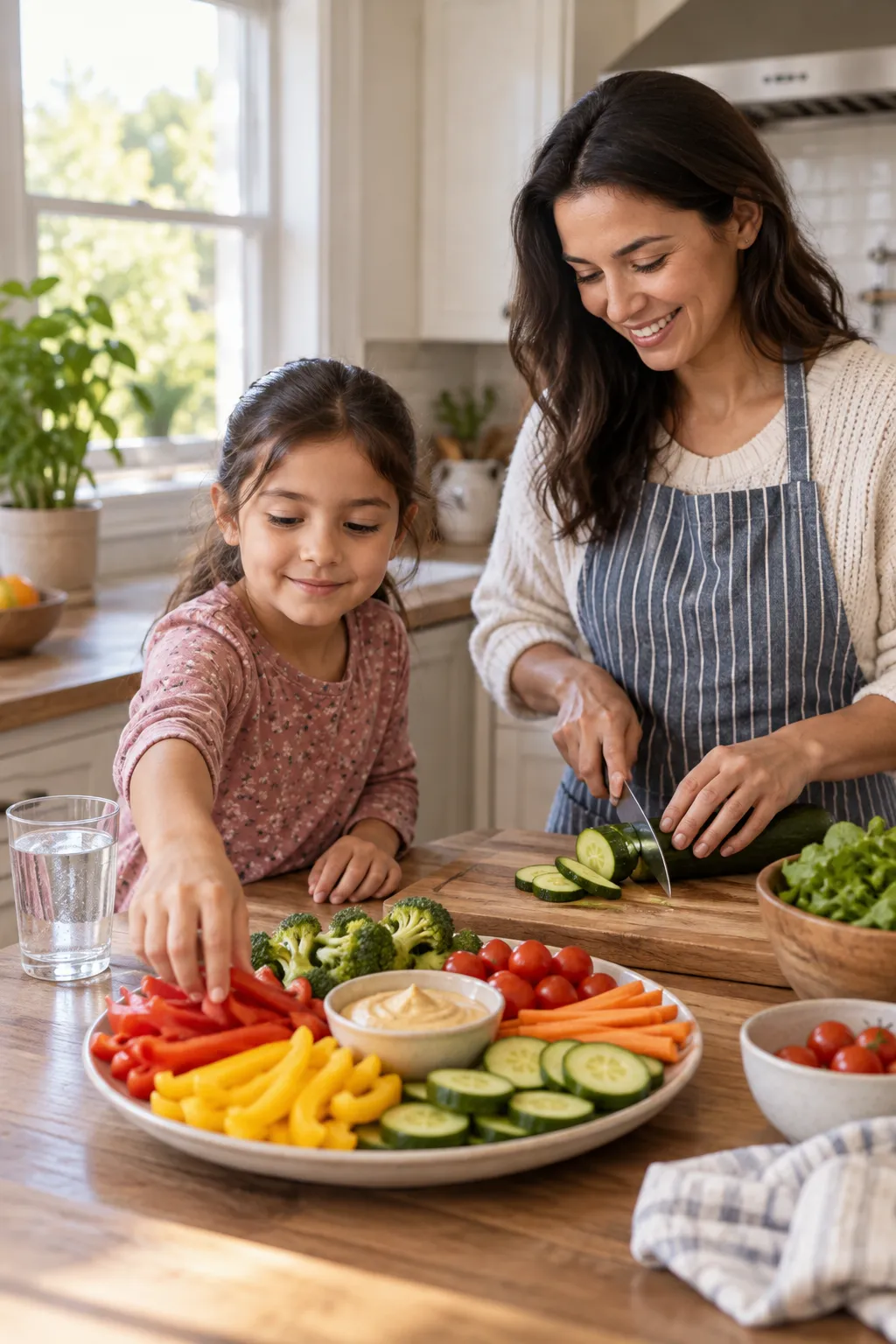
The first tip is to build a colorful plate. Color is an easy thing to see, and children can take part in it. Instead of lecturing about nutrition, you can simply ask, "What colors do we have tonight?"
That is a game even a four-year-old can play. It turns dinner into something you do together instead of something you negotiate.
2. Make Healthy Snacks Easy
Second: make healthy snacks easy. The key word is easy. When the good options are the ones you can grab quickly, tired children and tired parents both tend to choose them.
My suggestion, not Ennis's: give your kids a spot in the kitchen that is theirs, and let them help choose what goes there. A child who helped pick the snack is more likely to eat it.
3. Have Water as the Go-To Beverage
Third is to make water the go-to beverage. This habit is quiet and steady, and it works because it is a default and not a rule. When water is what's on the table and in the backpack, nobody has to argue about it.
During a season of parties and treats, a simple glass of water is a small way to keep balance without taking away the fun.
4. Make Movement a Part of Each Day
Fourth: make movement part of each day. The tip isn't about sports teams or gym memberships. It's about daily life.
As the weather turns colder, you might try:
- A family walk after dinner, even a short one
- A living room dance party with everyone choosing a song
- A simple game of tag or hide-and-seek, indoors or out
These are my ideas, built on Ennis's point, and they cost nothing. They may also become the moments your children remember.
5. Team Up for School Meals
Fifth is to team up for school meals. That means making it a shared effort between parent and child. Let your child have a voice in what goes into the lunchbox, or talk together about what's offered at school.
When children feel included, mornings tend to go a little smoother, and they learn to make good choices on their own.
6. Be a Healthy Role Model
The last tip may be the most important. Be a healthy role model.
Children watch us far more closely than they listen. They notice whether we drink water, whether we move, whether we sit down to eat, and whether we are kind to ourselves about it. You don't need to be flawless. You only need to be honest and willing to keep trying.
If you feel pressure reading that, set it down. Role modeling isn't a performance. It is simply letting your children see you take care of the life you've been given.
A Gentle Way to Begin This Week
Six tips can feel like a lot, so don't try to do them all. Pick one. Maybe it's a pitcher of water on the table, or a ten-minute walk after supper on Thursday.
If you pray, you might bring it into your day. Ask for patience, for energy, and for eyes to notice the good already happening in your home. Many of us find that small faithful steps, taken day after day, matter more than grand plans we never start.
The Everyday Kind of Wonder
It's easy to look for miracles in dramatic places. But a lot of them live at the kitchen table: a child laughing over a rainbow of vegetables, a parent who tried again after a hard week, a family walking together under an early dark sky.
The habits Ennis describes are small. But a child's well-being is built from small things, repeated with love, and that is something every parent can give.