TL;DR
AI technology is making strides in mental health support, but while chatbots can provide emotional assistance, they can't truly replace human therapists. Understanding the boundaries of AI in therapy is essential for safe and effective mental health care.
Introduction: A New Era in Mental Health Support
The rise of technology has transformed almost every aspect of our lives, including how we care for our mental well-being. With many people now seeking advice and companionship from chatbots and AI tools, a pressing question arises: Can AI safely serve as a therapist? This exploration delves into the nuances of AI in mental health, highlighting both its potential and limitations.
The Evolving Role of AI in Mental Health
As studies like those conducted by USC researcher Ruishan Liu reveal, AI can be surprisingly empathetic and relatively useful in responding to user inquiries. In her CounselBench study, Liu examined how AI interacts with real patient questions, shedding light on the technology's promise as a supportive mental health tool.
Support Tool vs. Therapist: What's the Difference?
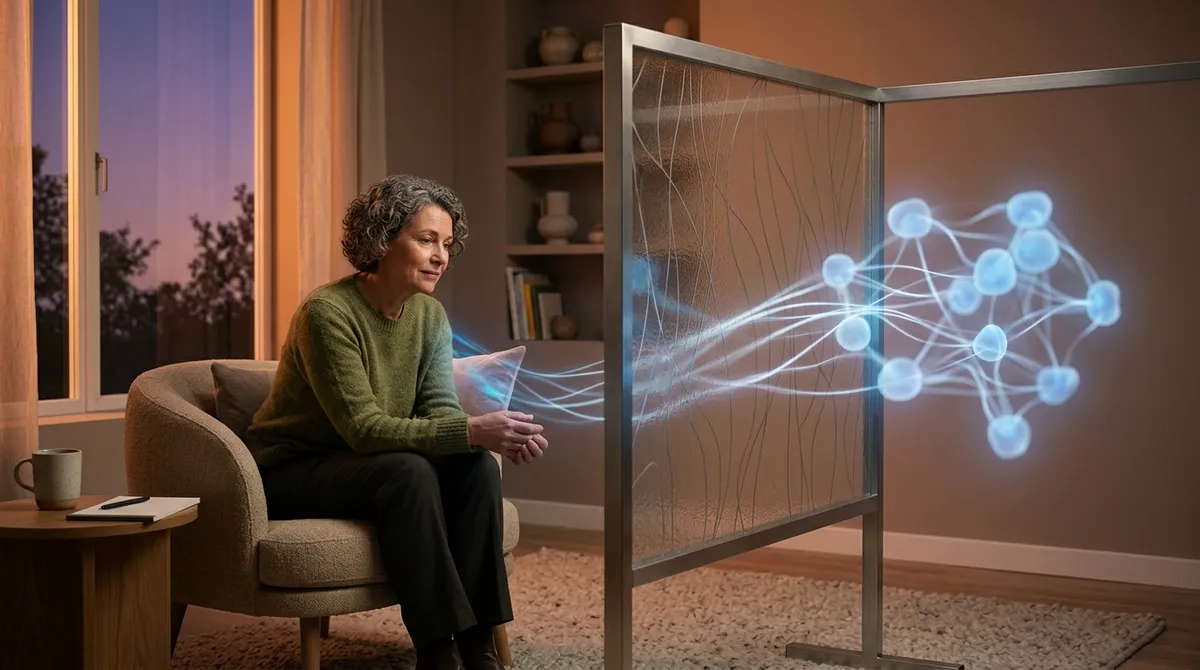
The distinction between using AI as a support tool and as a replacement therapist is a crucial one. Chatbots can provide quick responses, conversation practice, and a sense of companionship. However, they lack the nuanced understanding, emotional depth, and personalized approach that human therapists bring to the table.
There’s a significant difference between having a conversation with a machine designed to respond empathetically and engaging in a therapeutic relationship where a trained human therapist can interpret subtle cues, emotional reactions, and the complexities of mental health issues.
Benefits of AI in Mental Health
AI in mental health care can offer considerable advantages:
- Accessibility: Chatbots can be available 24/7, providing support whenever it’s needed, thus serving those who may not have immediate access to a therapist.
- Immediate Responses: Human-like interactions can help users express their feelings instantly, which is especially beneficial for people in distress.
- Affordability: Many AI-based apps and services are less expensive than traditional therapy, making mental health resources more accessible.
- Stigma Reduction: Using a chatbot can feel less intimidating for those hesitant to seek help, removing some of the stigma associated with mental health struggles.
The Hidden Risks Behind Chatbot Interactions
Despite these benefits, using AI as a mental health support tool does come with its risks:
- Overgeneralization: AI models rely on pre-existing data and may provide responses that feel generic or unhelpful if they don’t precisely fit individual circumstances.
- Poor Personalization: Unlike human therapists who can adapt their approach based on a client’s unique history and needs, AI may struggle to provide tailored support.
- Crossing Boundaries: There is always a risk that chatbots may overstep clinical boundaries, offering advice that could be harmful or out of the therapist's scope of practice.
Why Mental Health AI Needs Clinicians
As AI technology progresses, it’s vital to remember the role of clinicians in mental health care. While AI might supplement a traditional therapy approach, it should not replace the wisdom and experience of human professionals. Clinicians ensure that patients receive appropriate guidance and the necessary support for their unique situations, while AI can aid in triaging or providing extra resources.
The Path Forward: Responsible AI Usage
As more people turn to AI for their emotional needs, the challenge lies in ensuring these tools are safe and ethical. Emphasizing responsible AI practices is crucial. Ongoing research into how AI performs in real-world mental health settings will contribute immensely to understanding its efficacy and limitations.
Investing in the right protocols for using AI in health care settings can transform this technology into a valuable ally rather than a potential hazard.
Conclusion: Navigating the Heart of Mental Health
In the quest for emotional support, understanding the boundaries of AI’s role in mental health is essential. While the technology can offer companionship and handy resources, the therapeutic relationship with a trained professional remains irreplaceable. As we embrace the wonders of technology, let us also honor the wisdom and heart that human connection brings to the journey of healing.
Ultimately, it’s about blending the best of both worlds — the convenience of AI with the deep understanding of human therapists, creating a mental health framework that is both supportive and compassionate.