A video from the Faith and Miracles channel on YouTube, titled "Are Miracles the Best Route to Faith? Even Rome Says NO," makes a claim that surprises a lot of believers. According to the video's summary, the Catholic Church does not encourage people to rest their faith mainly on miraculous evidence. It points toward other routes to belief instead.
If you have ever prayed for a sign and heard silence, that idea may feel like a relief. It may also feel puzzling. This article walks through what that teaching might mean for an ordinary person, and how you can hold wonder and trust together without needing one to prop up the other.
A note on sources: I am working from the video's description and summary, not the full talk, so I will not put words in anyone's mouth. What follows is reflection on the idea it raises.
The Picture Many of Us Carry
Picture a woman we'll call Ruth. She is made up, a composite of people many of us know. She sits in a hospital waiting room at two in the morning, bargaining. If you just give me a sign, Lord, I'll never doubt again.
Most of us understand Ruth. We think of miracles as proof: the thing that finally settles the question. That is the popular belief the video sets itself against, the tension between "miracles equal proof of God" and the Church's more careful position.
What the Video Argues
Per the summary, the video says Rome discourages relying on miracles as the primary foundation for belief. It explores the theological reasoning behind that, and why institutional Christianity prioritizes other routes to faith over miraculous evidence.
The summary does not spell out those reasons, so I will not pretend to list them. But we can ask why a faith-keeping institution might be cautious about this, and a few honest answers come to mind. These are my reflections, not claims from the video.
Why a Sign-Based Faith Can Feel Fragile
A miracle can't be ordered
If your trust depends on the next wonder, then every quiet season becomes a crisis. Ruth's faith would last only as long as the signs kept coming.
Wonders can be explained away, and doubt is patient
People who witnessed remarkable things in Scripture still struggled. It hints that seeing alone does not produce trust. Trust grows in relationship.
It makes God a vending machine
When belief hinges on getting the sign, prayer slides from conversation to transaction. Most of us feel that shift in ourselves without anyone pointing it out.
The Other Roads to Faith
The video's framing sets miraculous faith against faith built on reason, community, or personal experience. Here is how those might look in a regular week.
- Reason. Ask your hard questions out loud. Read, listen, talk with someone who has thought longer than you have. Faith that has been questioned tends to stand on firmer ground.
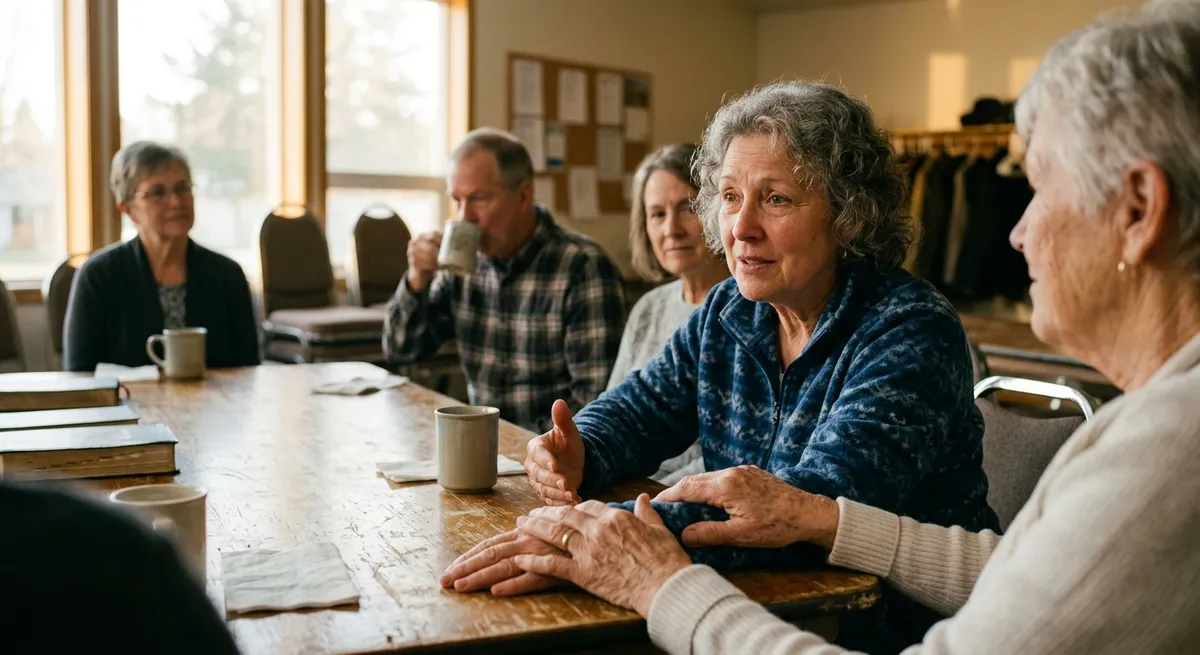
- Community. Sit in a pew, a small group, or a kitchen with people who pray. Many people find belief carried by others when their own arms are tired.
- Lived experience. Notice the ordinary mercies: the neighbor who showed up, the peace that arrived without explanation, the morning after the worst night.
None of these makes headlines. All of them can hold a person up for decades.
Does This Mean Miracles Don't Matter?
No, and I would be cautious about reading that into the video. Its argument, as summarized, concerns what faith should be founded on, not whether wonders happen. A house can have a beautiful window and still need a foundation.
For those of us who believe miracles are everywhere, this may actually deepen the wonder. If you trust first, you start seeing grace in small things: a reconciled family, a sunrise after grief, a stranger's kindness at the right moment. Miracles stop being the evidence you demand and become the gifts you notice.
Back to the Waiting Room
Ruth did not get a thunderclap that night. What she got was a nurse who sat down beside her for ten minutes, a text from a friend saying I'm praying, and a strange calm she could not account for. In the morning, she realized she had trusted before she had any answer.
That is a made-up scene, but you may know its shape from your own life.
Putting It Into Practice
- This week, write down three small graces you would have missed if you were only watching for the dramatic kind.
- When doubt shows up, name it in prayer instead of hiding it. Honesty is a form of trust.
- Lean on someone. Tell one person you trust that your faith is tired. Let them carry some of it.
The skeptics and believers in the video's audience may disagree on plenty. But most of us can agree on this: love that only shows up when it's proven isn't quite trust yet. Faith, at its best, is choosing to lean on God before the sign arrives, and then discovering you were held all along.