
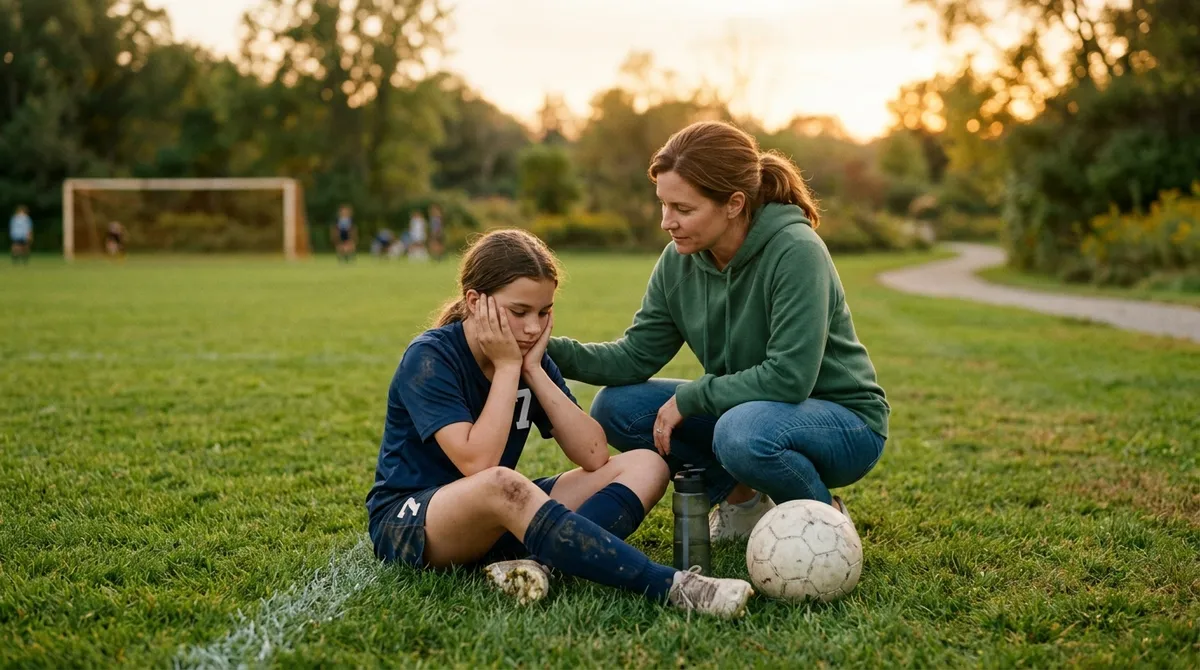
TL;DR: Summer sports can be tough on kids when they face losses. By modeling emotional control and encouraging resilience, parents can help children turn disappointment into growth.
Understanding the Stakes in Youth Sports
As summer sports programs kick off, excitement fills the air—the thrill of competition, teamwork, and even the sweet taste of victory. Yet, with these joyful moments often come disappointments, especially for young athletes who are still learning about resilience and emotional regulation. How can we, as parents, help our children navigate tough losses gracefully?
The Role of Parents in Shaping Resilience
Validate Their Feelings
After a tough game, you may feel the urge to downplay your child's disappointment. However, it's crucial to acknowledge their emotions. Pediatric psychologist Dr. Chelsey Bowman emphasizes that recognizing a child’s feelings is the first step toward processing them. Instead of saying "It’s just a game," try phrases like, "I can see that you’re really upset—it’s okay to feel that way."
Model Emotional Control
Children often mirror their parents’ emotional responses. If a post-game conversation turns into a rant about the referee's decisions or the coach's choices, kids may internalize a negative mindset. Instead, demonstrate emotional poise. Take a deep breath, discuss the game calmly, and show them how to express frustration constructively. Ask yourself: How do I want my child to handle disappointment?
Constructive After-Game Conversations
What to Say
When your child is feeling low after a loss, steer the conversation toward constructive questions:
- "What did you enjoy most about the game?"
- "Is there something you feel you did well?"
- "What can we work on for next time?" These questions redirect focus from winning to self-improvement and enjoyment, fostering a growth mindset.
What Not to Say
Avoid phrases that minimize their experience or inject pressure. Telling them, "You should have done better" can cause feelings of shame. Instead, provide support and encouragement. It’s vital that they understand performance doesn’t define their worth.
Turning Losses into Lessons
Growth, Not Just Winning
Help your child recognize that every loss is a chance for learning. Encourage them to set personal goals that focus on effort and skills, such as improving their passing or increasing their endurance. As they see tangible progress, they'll learn to appreciate the effort over the outcome.
Celebrate Small Victories
After every game—win or lose—celebrate their effort. Perhaps create a ritual where you reflect on what they learned that day. This could be as simple as a family treat or a quiet moment sharing highlights from the game. These traditions help instill pride in their perseverance.
Fostering a Supportive Environment
Encourage Team Bonding
Encouraging your child to build friendships with teammates can alleviate the sting of losses. They’ll learn that sports are about connection, not just competition. Arrange team outings or invite other players for an ice cream treat after the game. These moments cultivate a sense of community.
Share Your Own Experiences
Your own stories of overcoming challenges can resonate deeply with your child. Share times you faced setbacks, emphasizing what you learned through those experiences. Showing them that failure happens even to adults can ease their sense of isolation.
Nurturing Lifelong Resilience
The lessons your child learns about handling losses now will stick with them long after summer sports wrap up. Emphasize that resilience isn’t about never losing; it’s about how they respond when life doesn’t go as planned. Prepare them for challenges on the field and in life, nurturing the emotional strength they’ll carry into adulthood.
As parents, our role is to support, guide, and encourage our children through the ups and downs of their sporting adventures. By validating their feelings and fostering resilience, we can help them emerge from losses with valuable lessons on determination and self-worth. Let’s set the scene for not just stronger athletes but also stronger individuals.
In the grand scheme of life, the scoreboard is only part of the game. Remember, what truly matters is how we learn, grow, and bounce back.